No blow gas distribution service renewal or abandonment for tees without an internal stopper.
What is the SAFE-T-STOPPER?
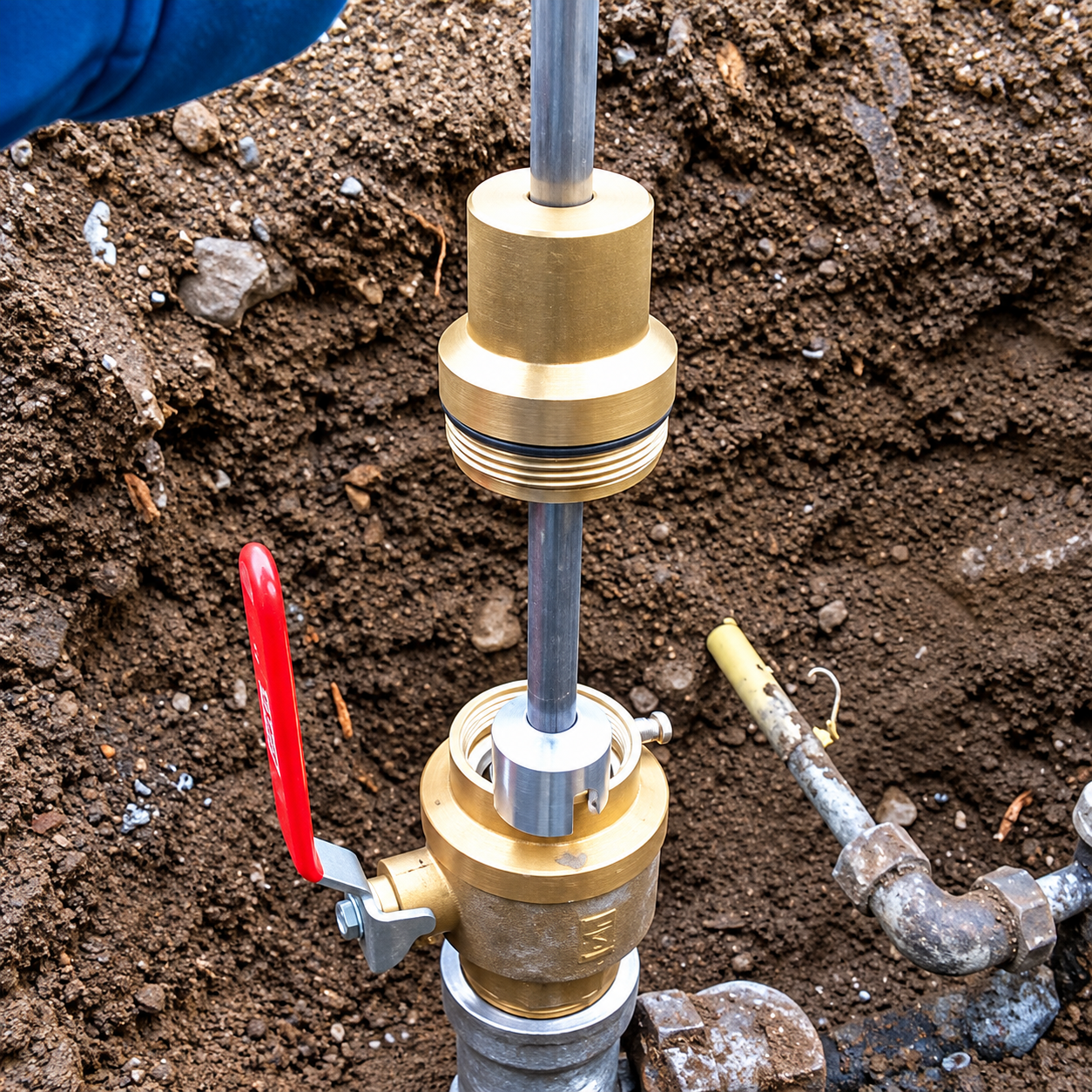
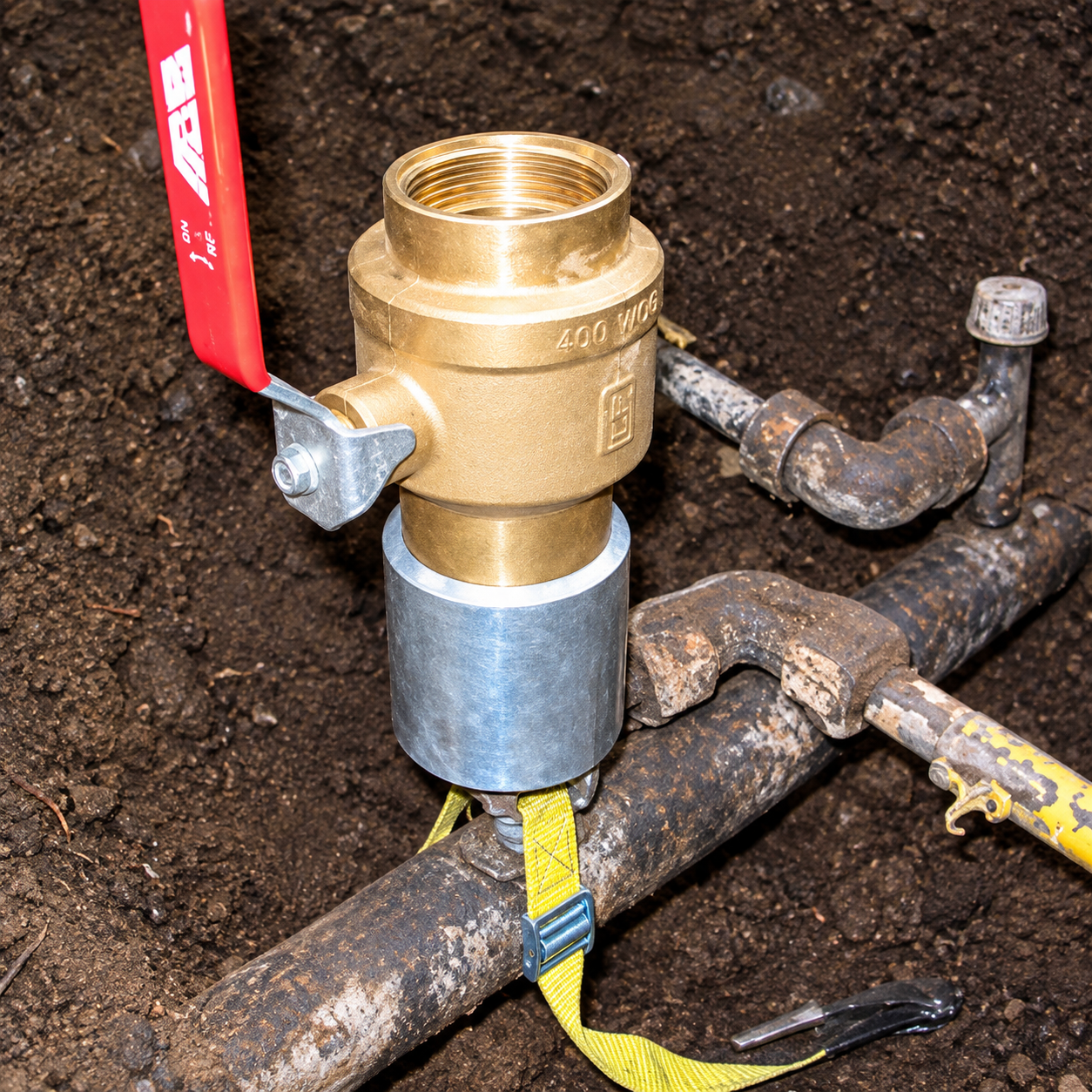
The tool is a gas-free method to renew or abandon outdated gas service tees. It attaches a ball valve on top of the tee to create a seal under a cap or around a plug, and to remove the cap or plug. To stop the gas: Insert a rubber stopper below the branch or tighten a self-tapping plug into the main.
Why Use It?
The Canadian Gas Association and the American Gas Association are dedicated to fostering a positive safety culture among their employees across the natural gas distribution industry. All employees, as well as contractors and suppliers providing services, are expected to prioritize the highest safety standards for employees and the public.
Early 2000s
Many distribution companies introduced new regulations prohibiting the use of a steel pin or wooden dowel to pin off a service tee. This mandate requires line stoppers, increasing the cost of service renewals and abandonment projects. This is expensive. The Safe-T-Stopper Tool Platform is one of the tools helping to keep workers safe and save money.
Challenges
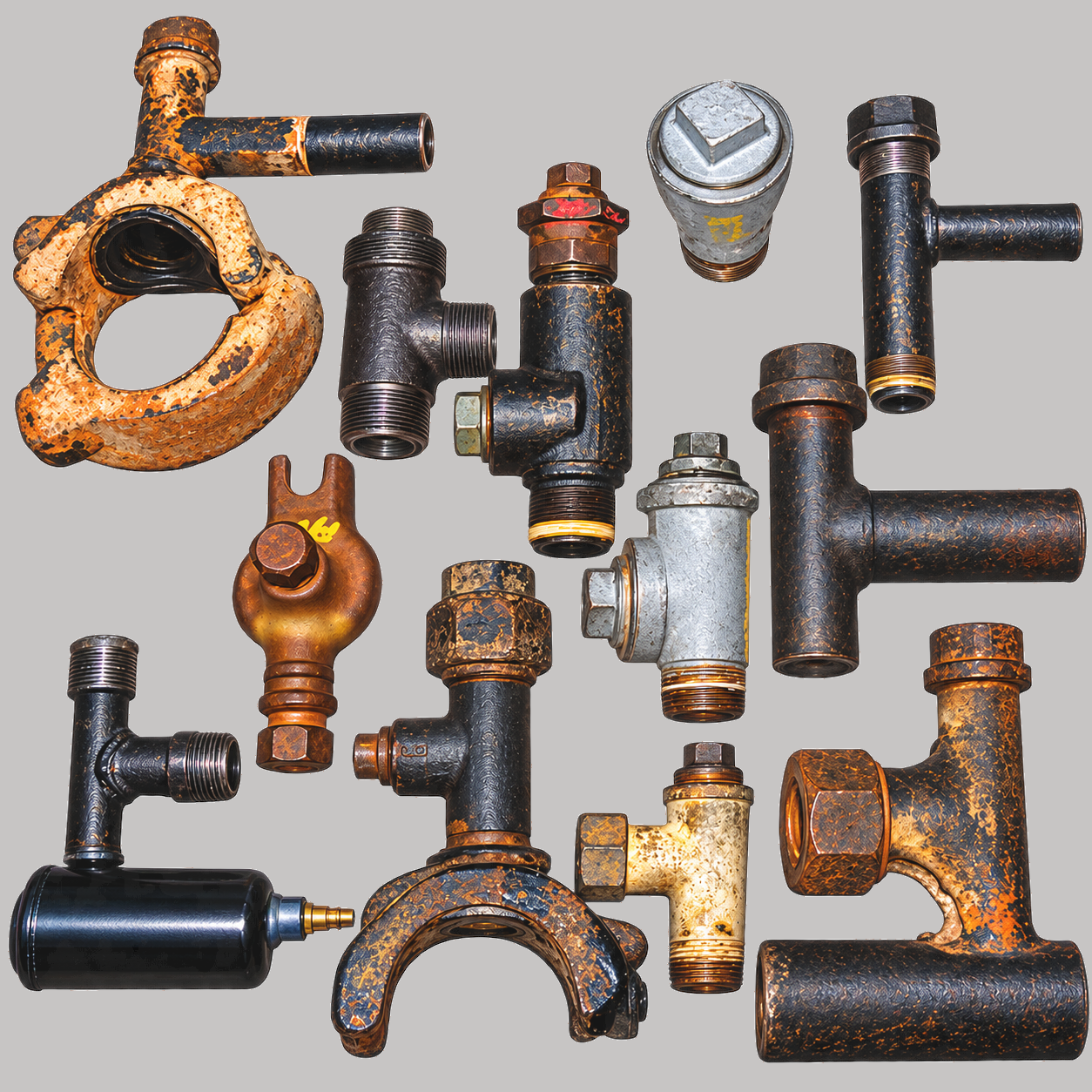
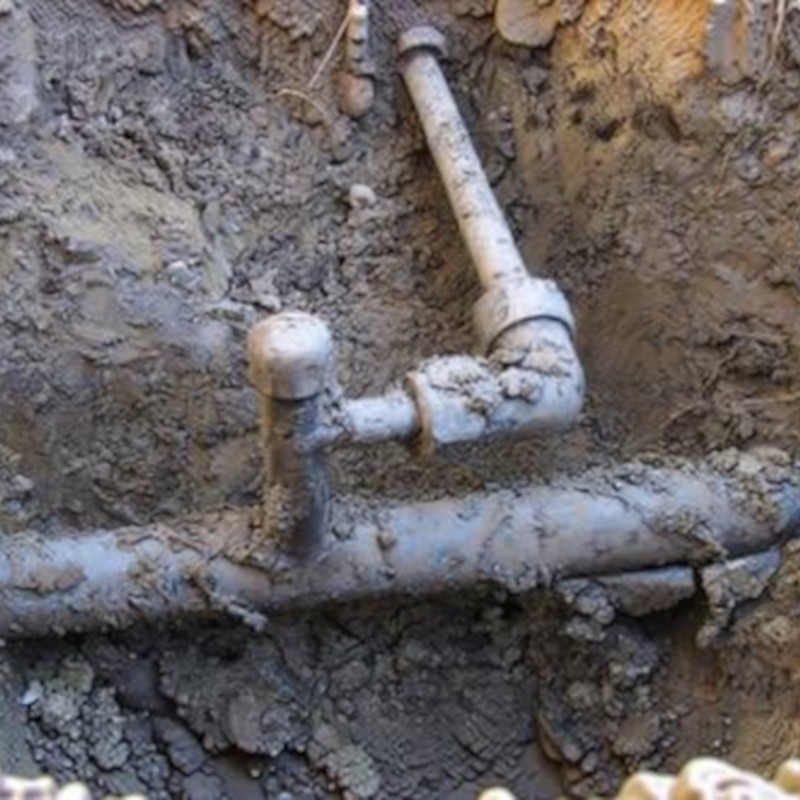
Many service tees are challenging to repair with standard equipment, particularly when internal stoppers are missing. As pipeline pressures increase, aging tees become more vulnerable to leaks, often requiring costly line-stopping procedures. More cost-effective repair solutions can improve safety while reducing restoration expenses.
Solution
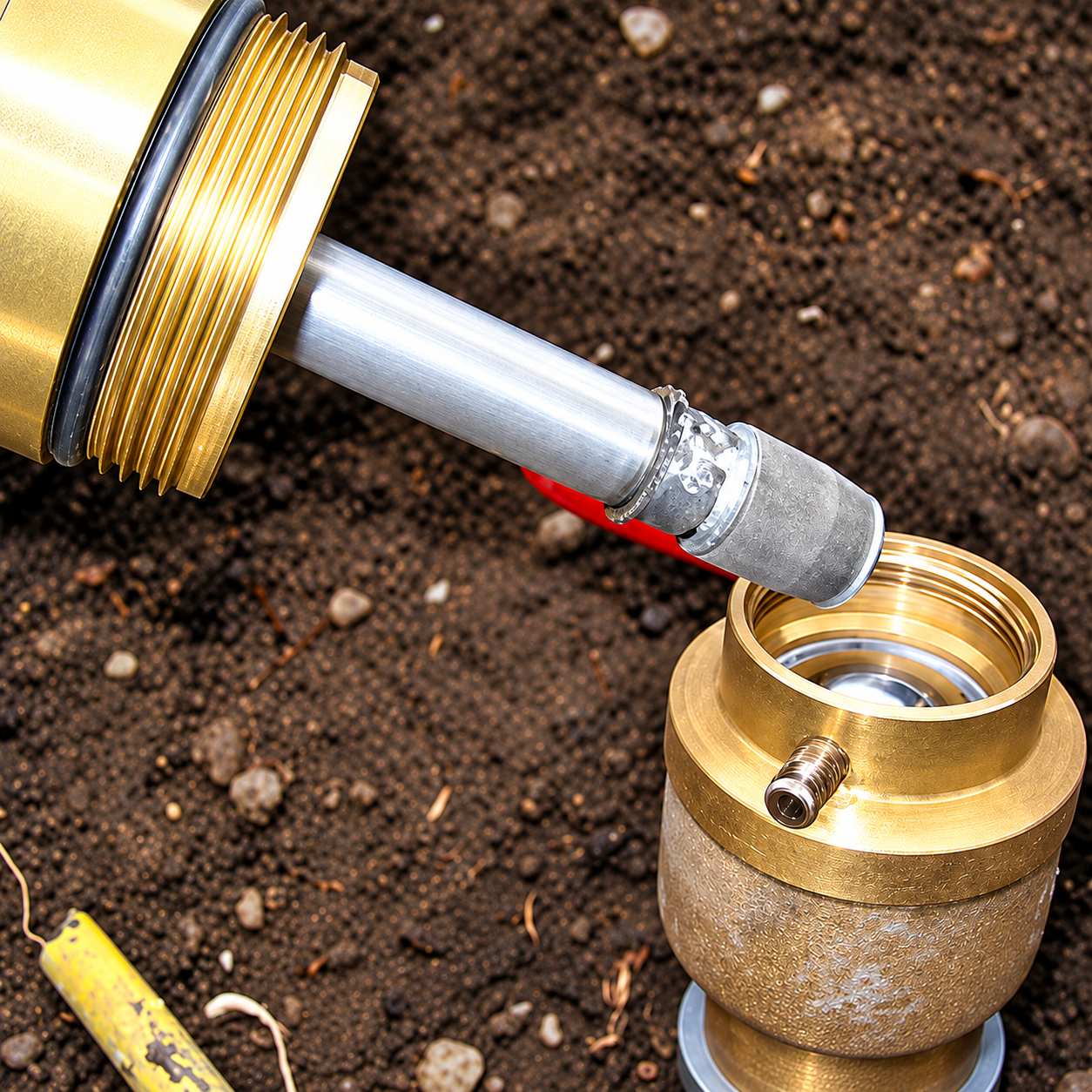
The tool reduces operator exposure to live gas while lowering repair costs. Specialized adapters make it compatible with various tee configurations, including open-gut tees in standard excavations. It gives gas operators a safe, practical solution for repairing thousands of outdated services, often delivering cost savings after only one or two uses while also reducing methane emissions.
2005 to Now
Safe T Stopper was introduced in 2005 and has undergone numerous enhancements based on worker feedback. Gas-free adaptations have expanded its capabilities, and today, more than 1,000 tools are in use across Canada and the United States.
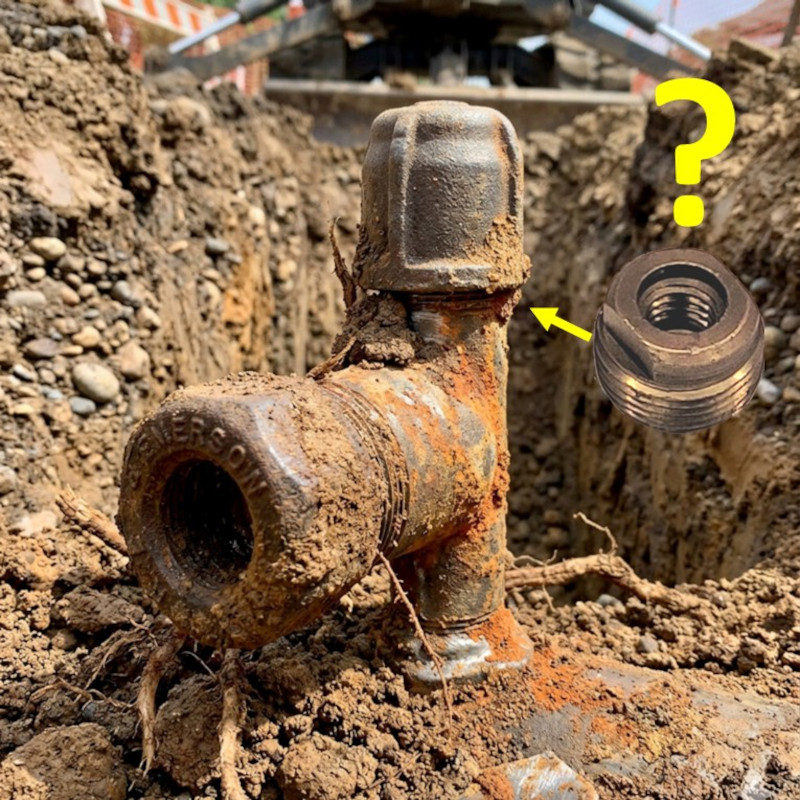
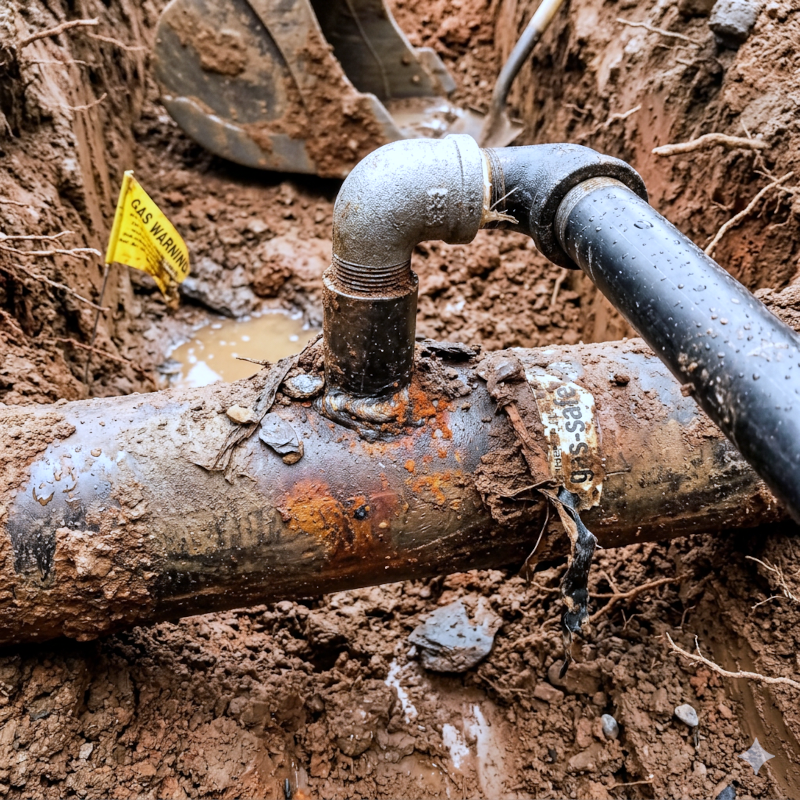
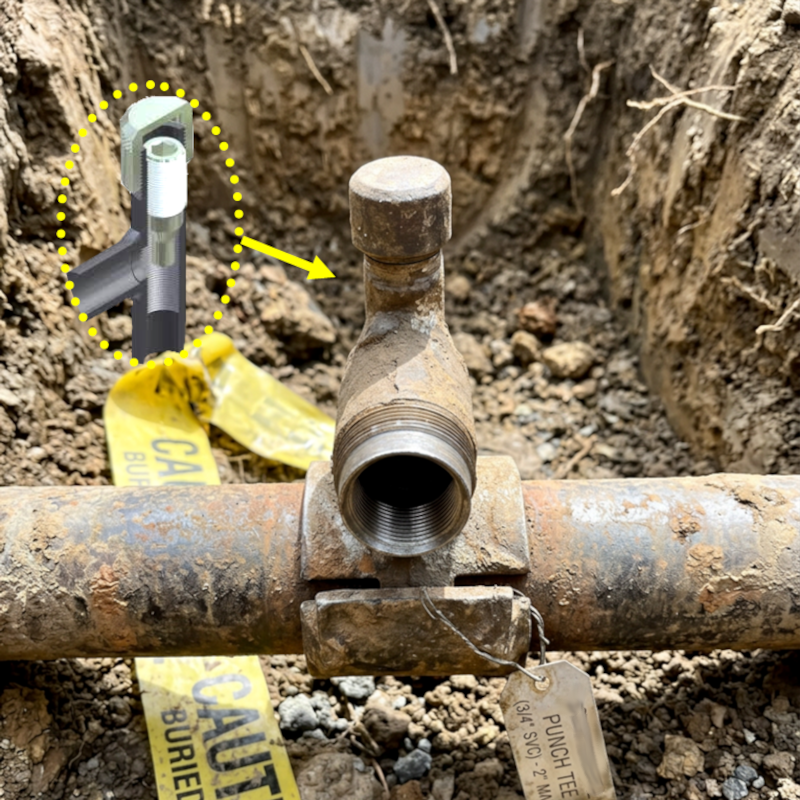
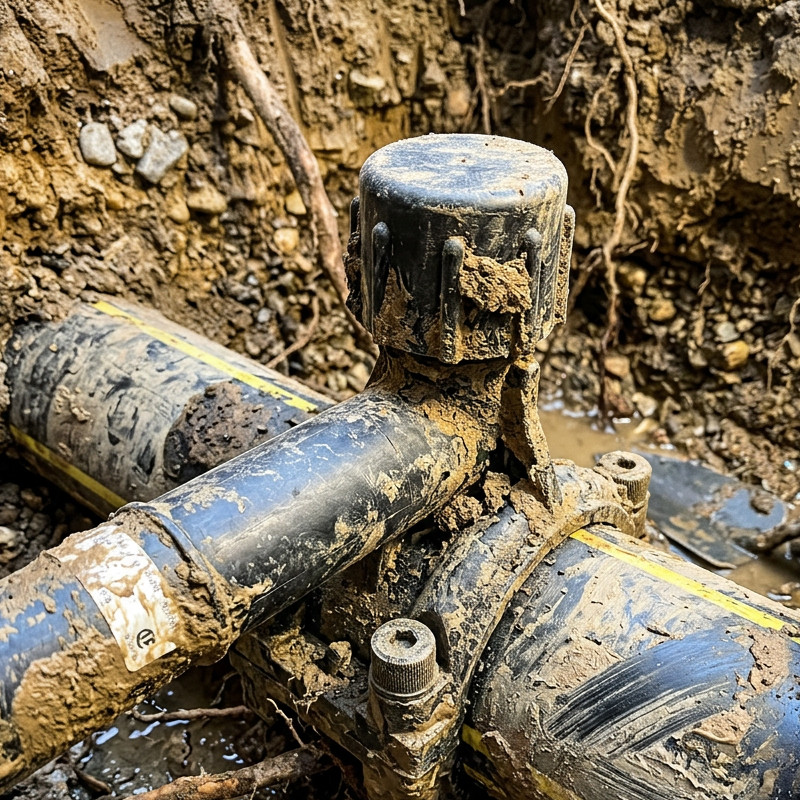
Compatible Tees Without Internal Stopper
-

- 1. CAP TEE
-
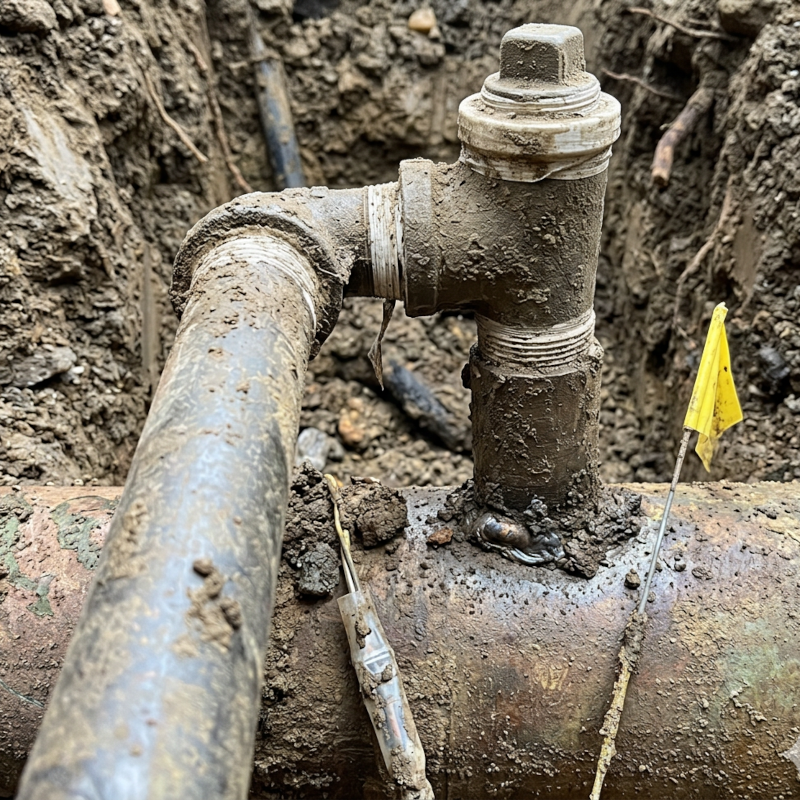
- 2. PLUG TEE
-
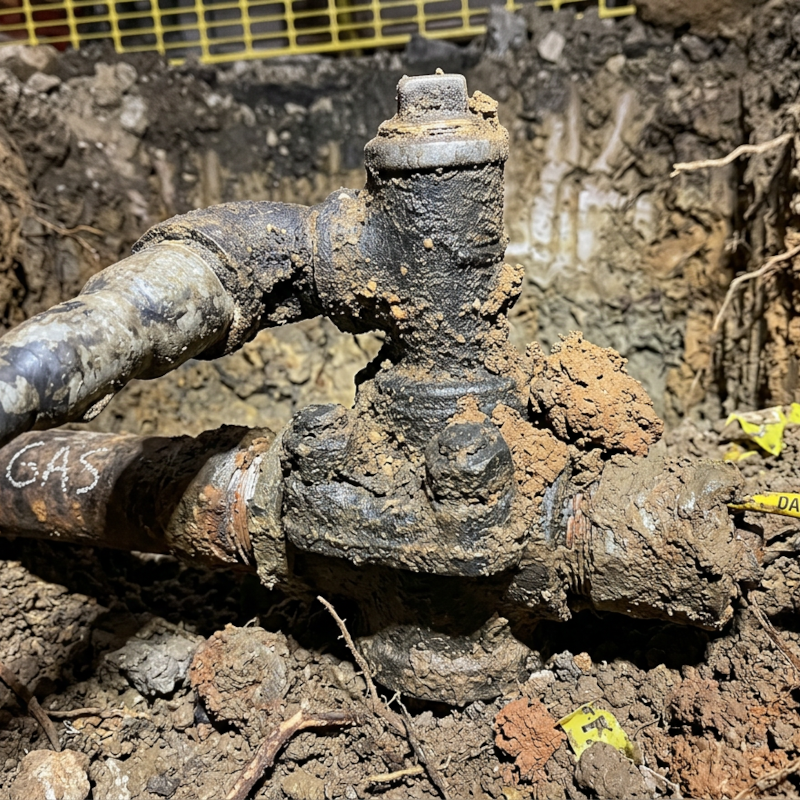
- 3. PLUG TEE SADDLE
-
- 4. MUELLER TEE
-
- 5. ELBOW SERVICE
-
- 6. PUNCH TEE SADDLE
-
- 7. BOLTED PE TEE
-

- 8. DRESSER QWIK TAP
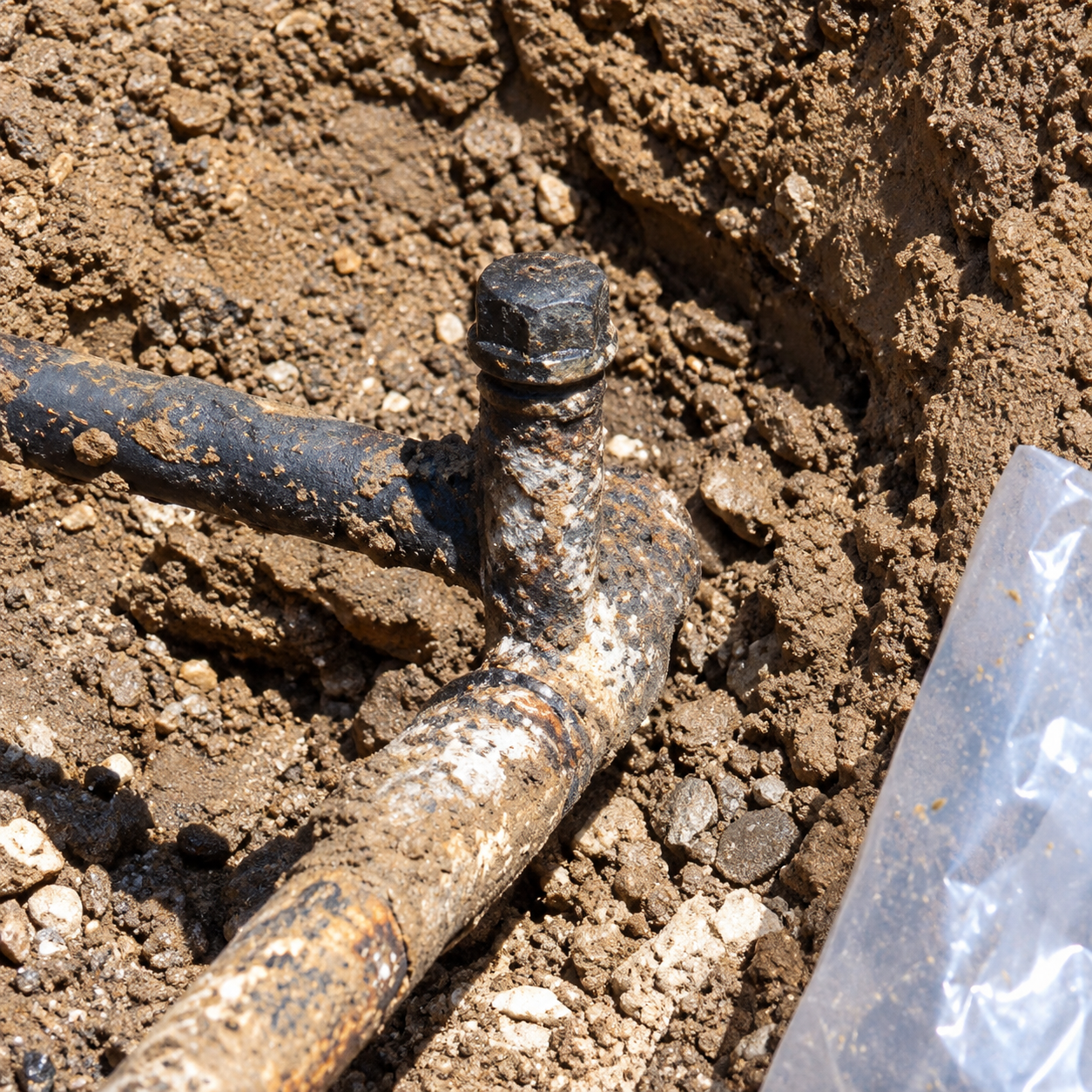
-
- 9. SKINNER TEE
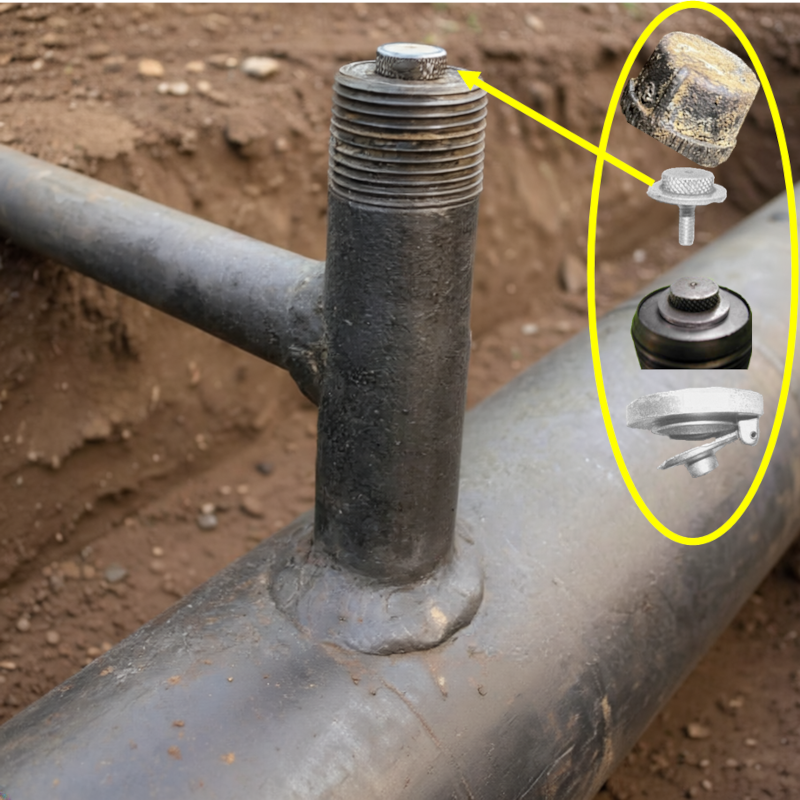
-
- 10. SKINNER PLUG TEE
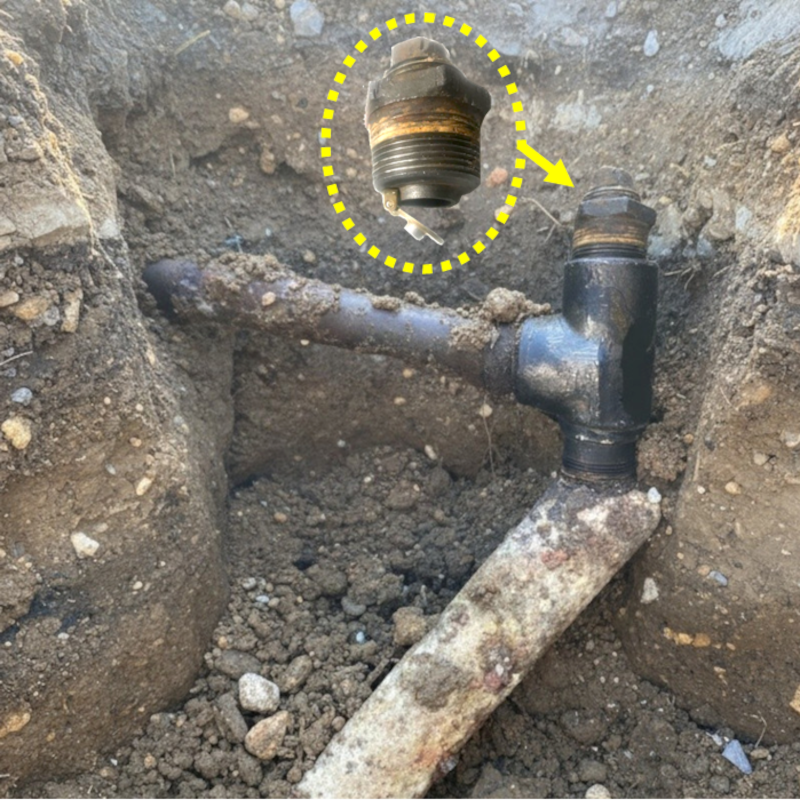
How Does It Work?
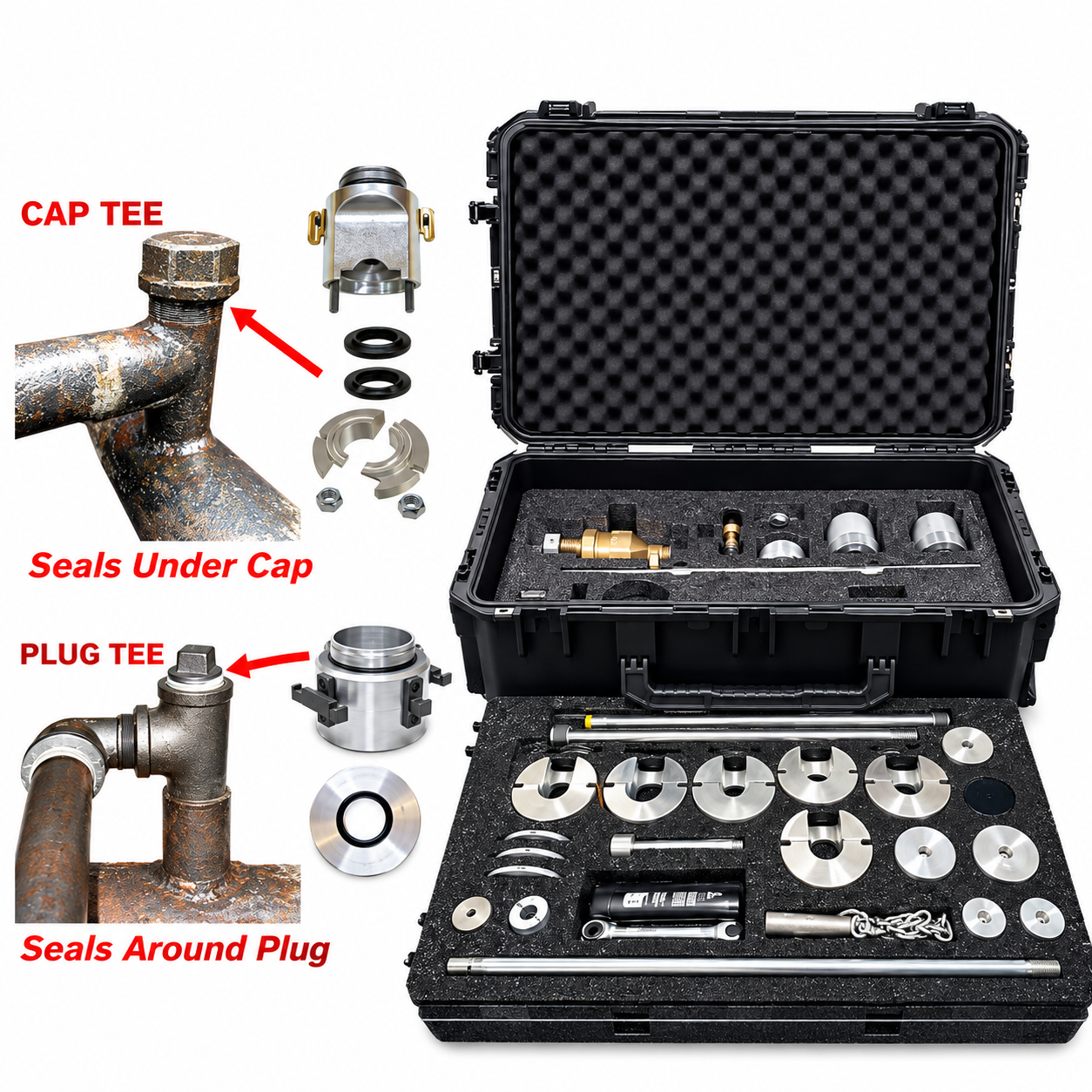
The tool attaches a ball valve on top of the tee. It creates a seal under a cap or around a plug.
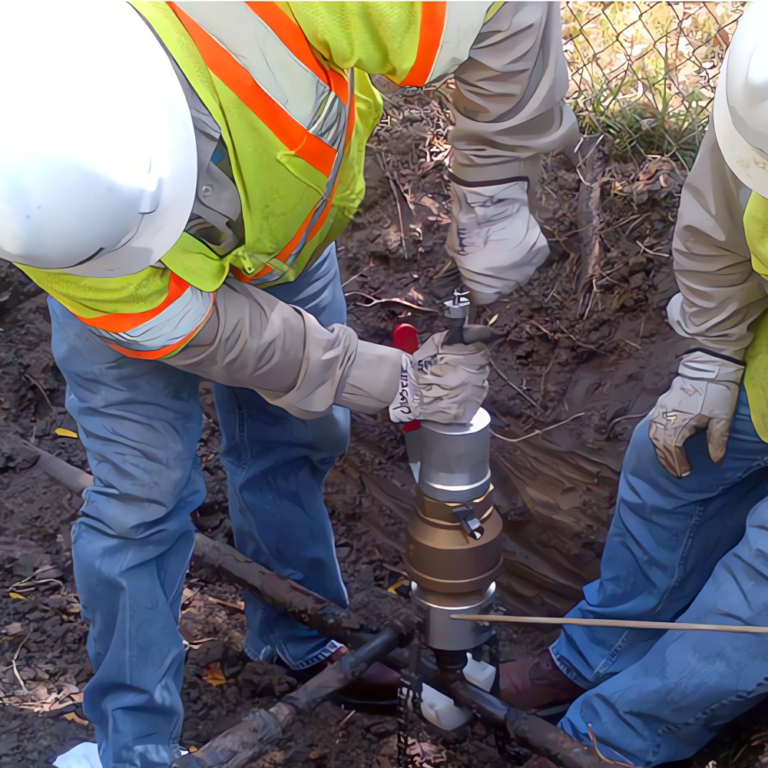
Special tool adapters remove the plug or cap and stop the gas with a rubber plug or a steel self-tap plug.
-

- SEAL UNDER CAP
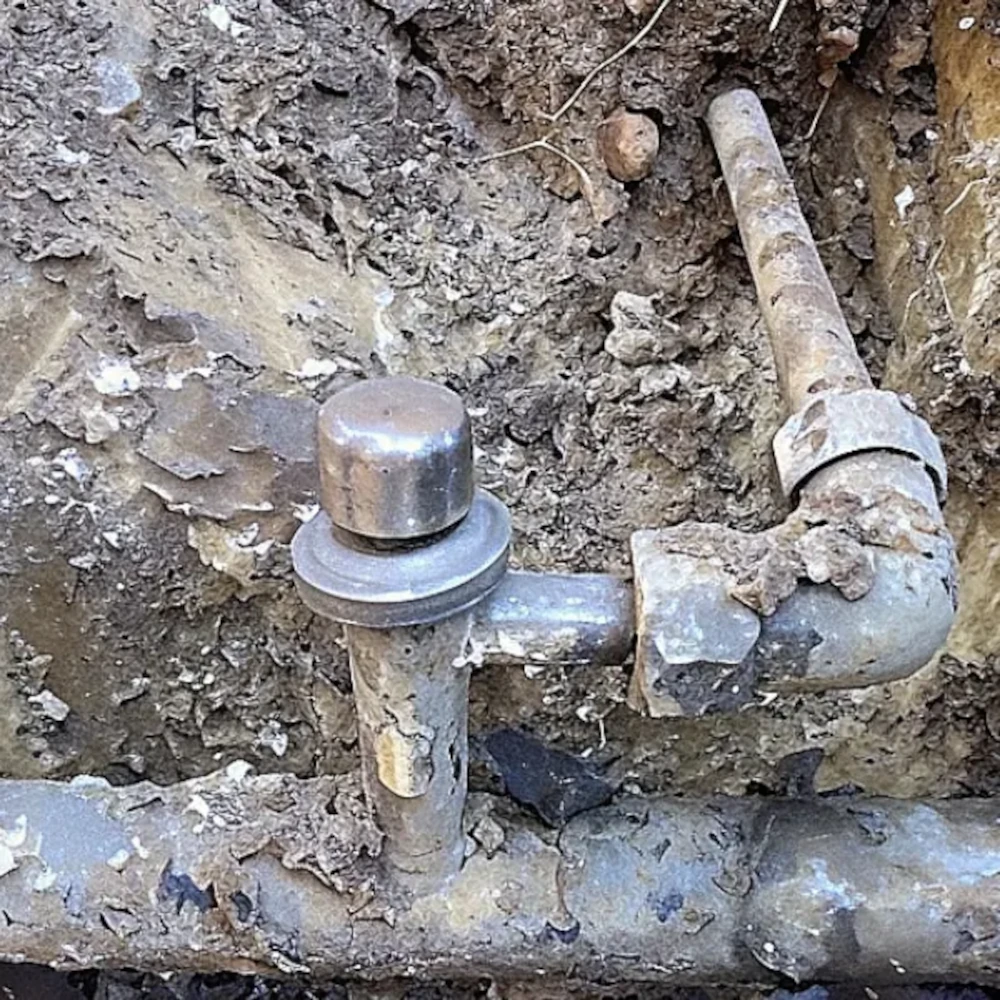
-
- CAP ADAPTER REMOVER
-
- VIEWPORT
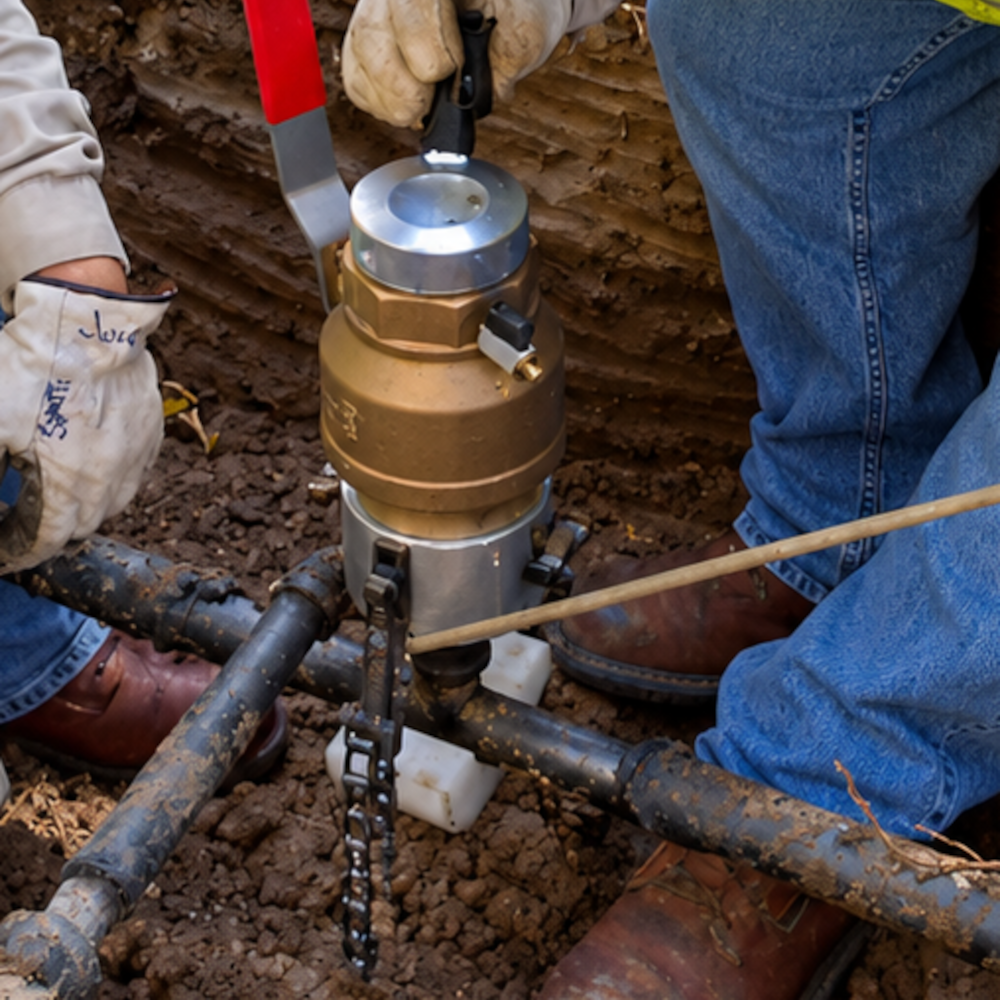
-
- RUBBER PLUG INSTALL
-
- MAGNET ADAPTER
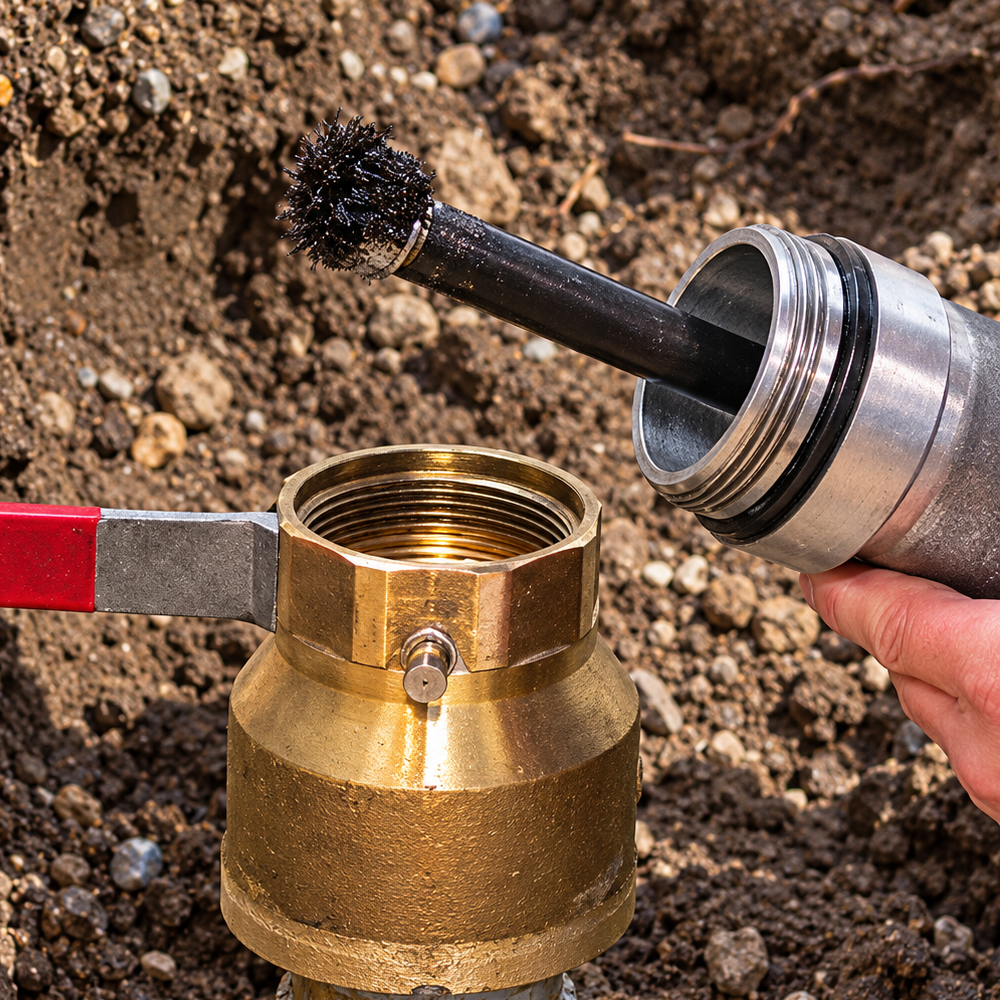
-
- SELF TAP PLUG ADAPTER
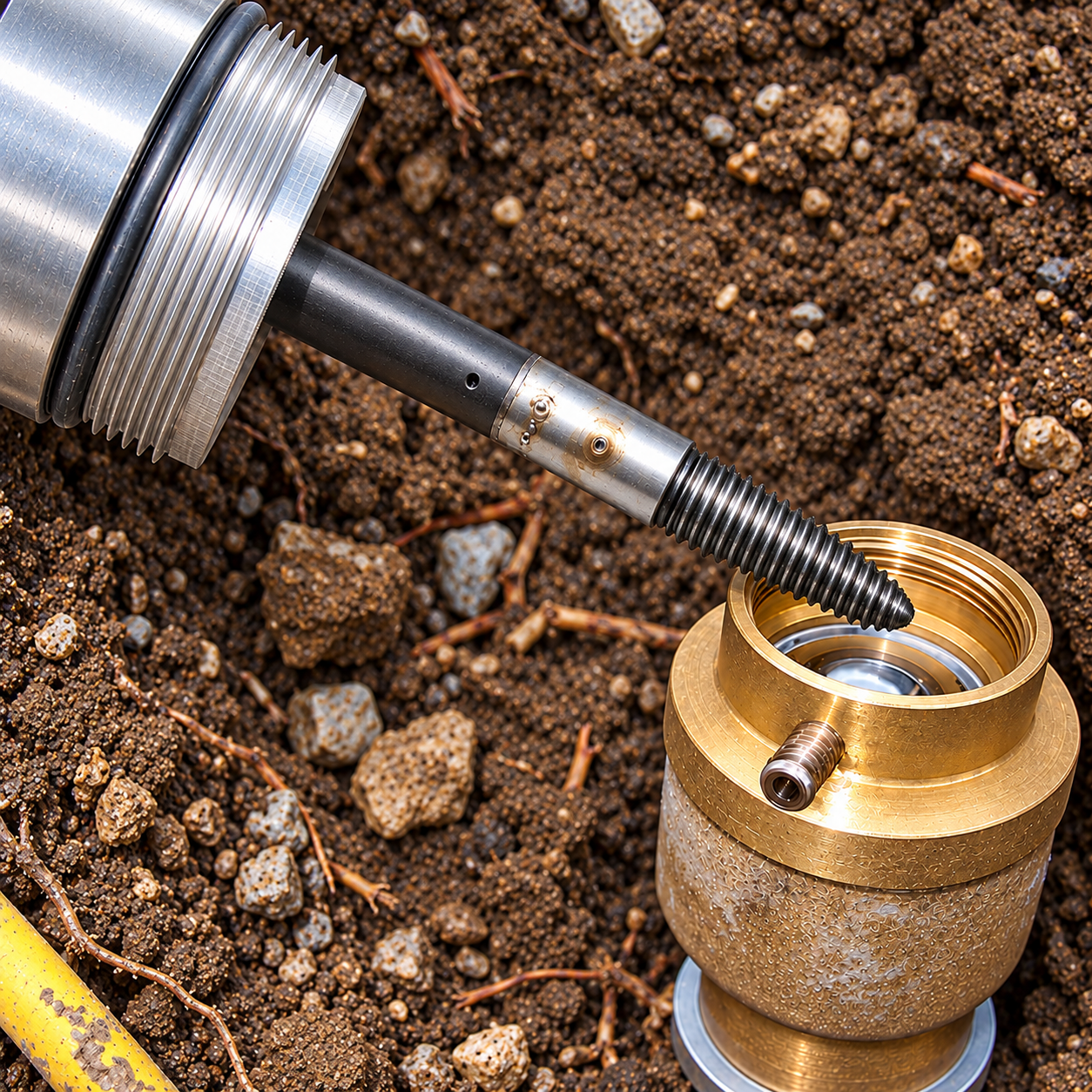
Key Safety Features
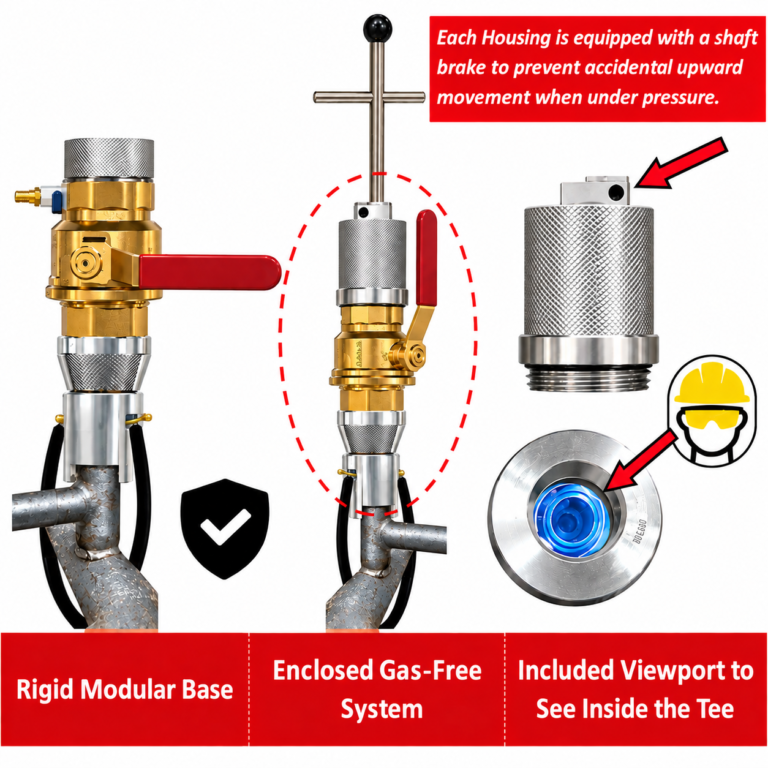
Easy to Install Stoppers

Tool Structure
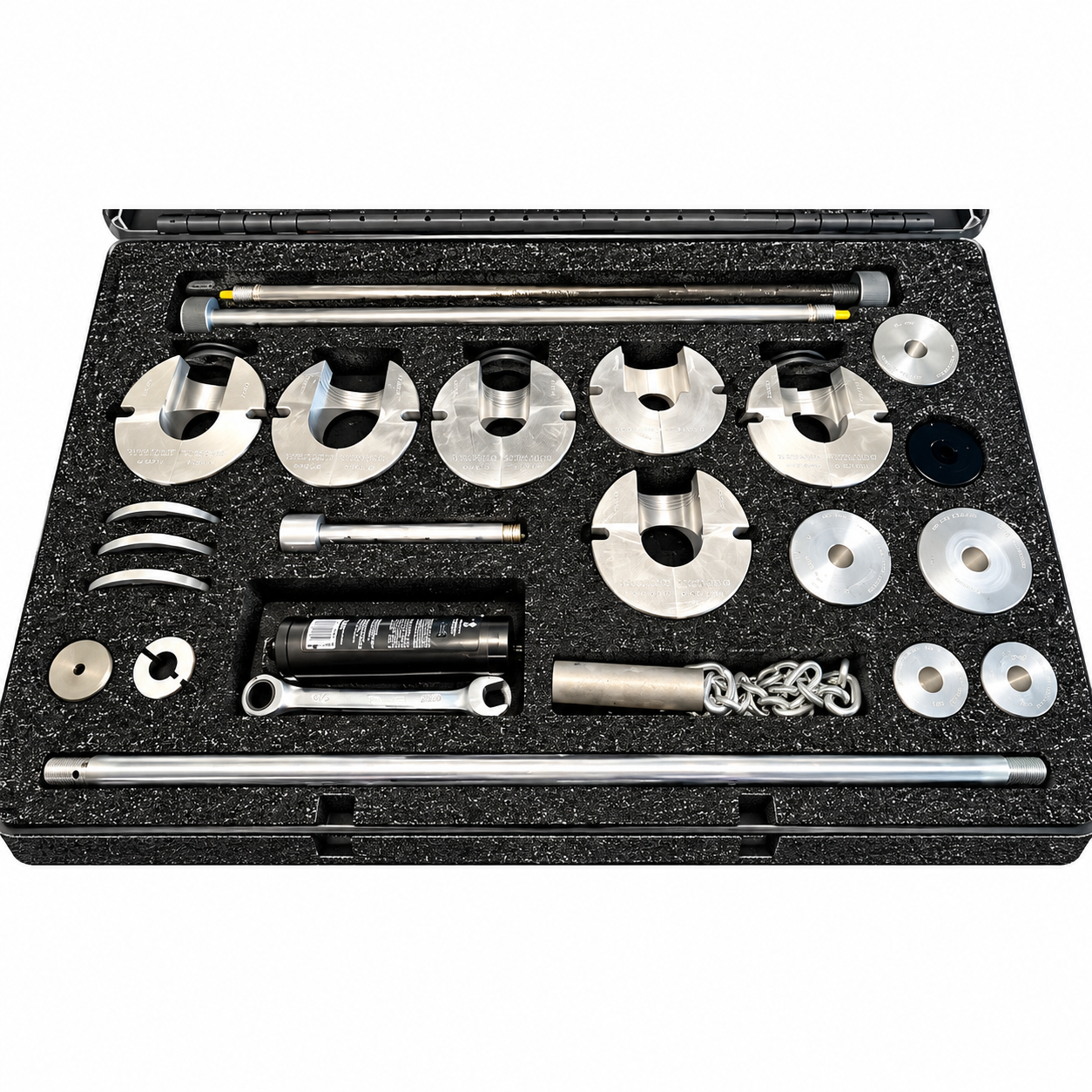
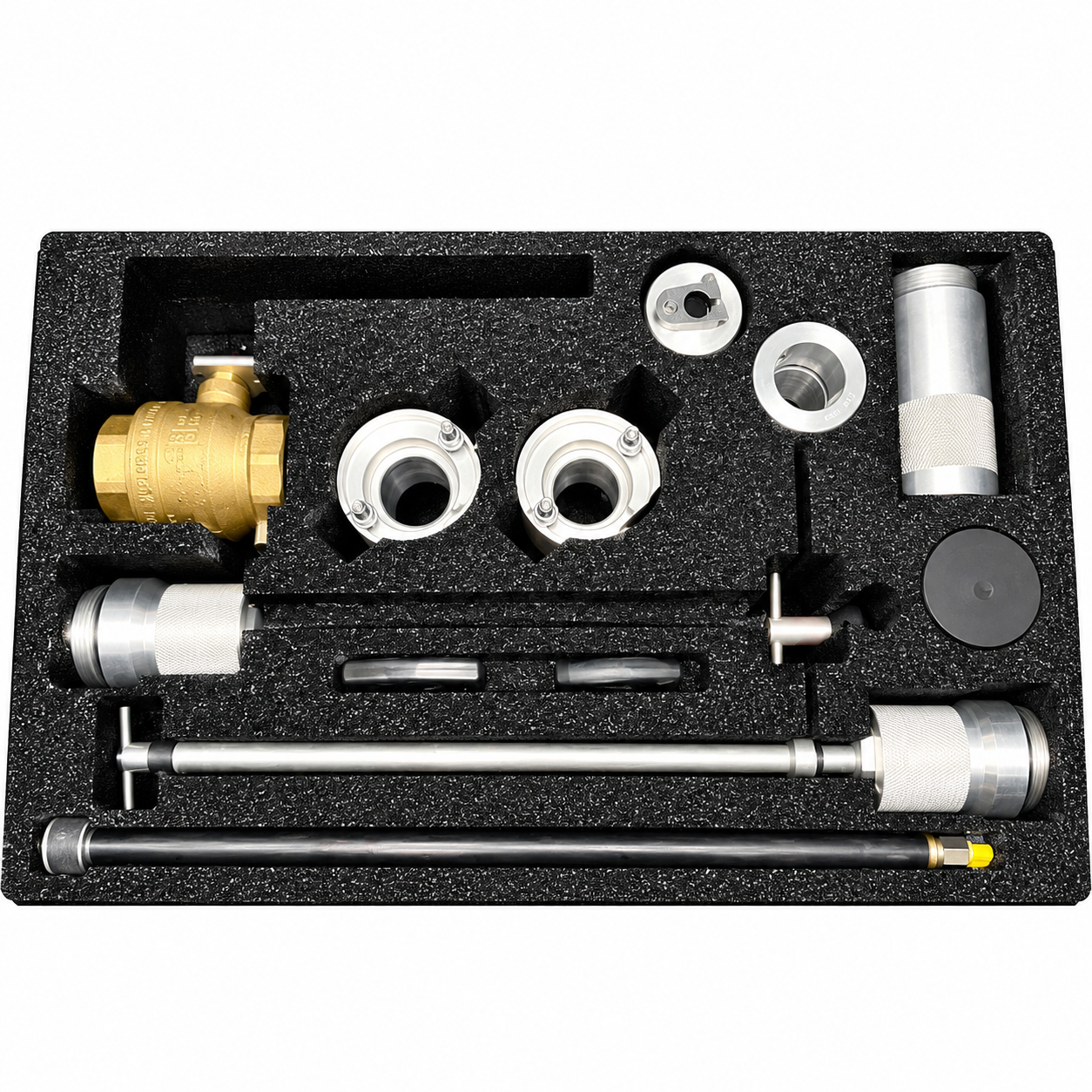
Base Tool (2500BV, 3000BV)
-
- CUSTOM KIT CASE
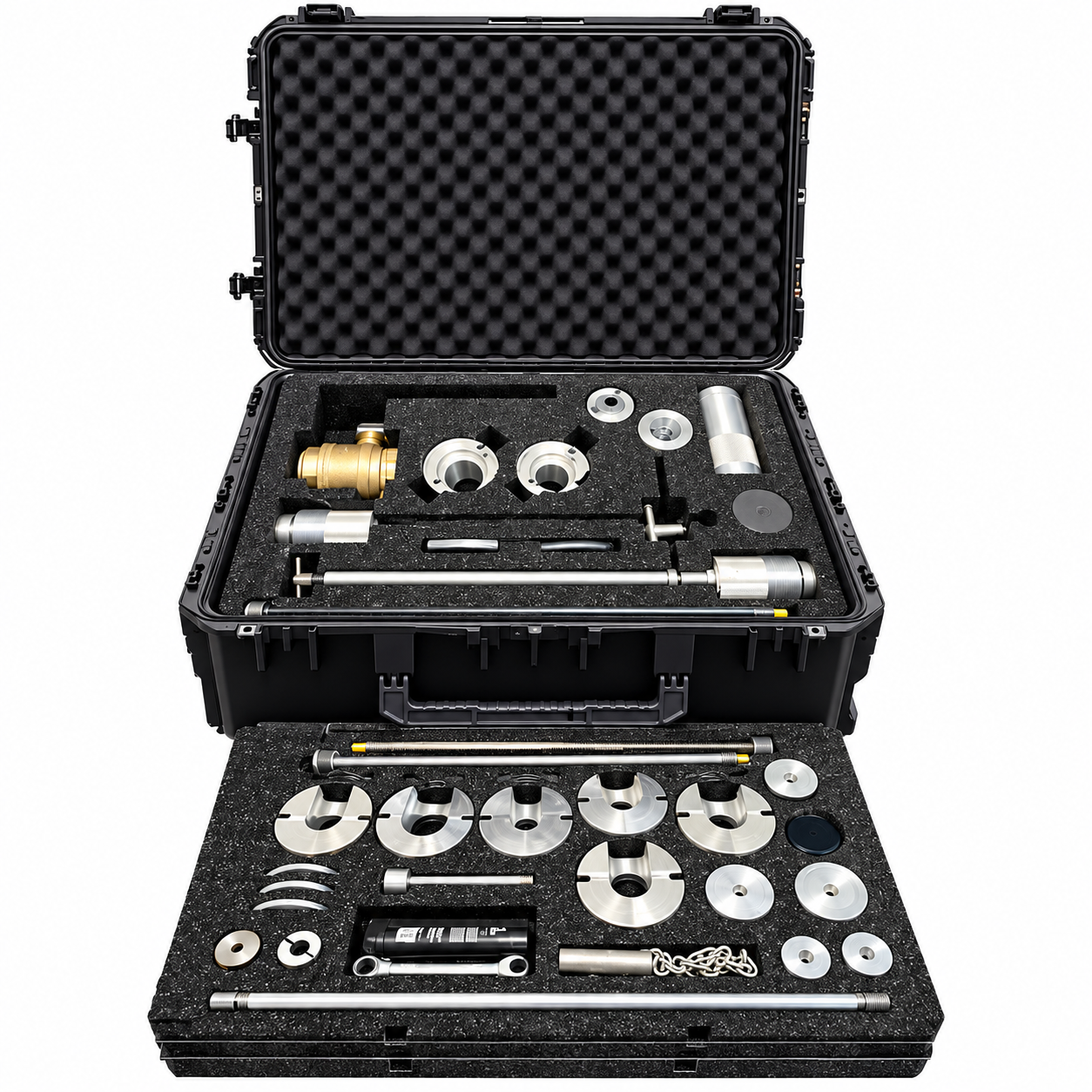
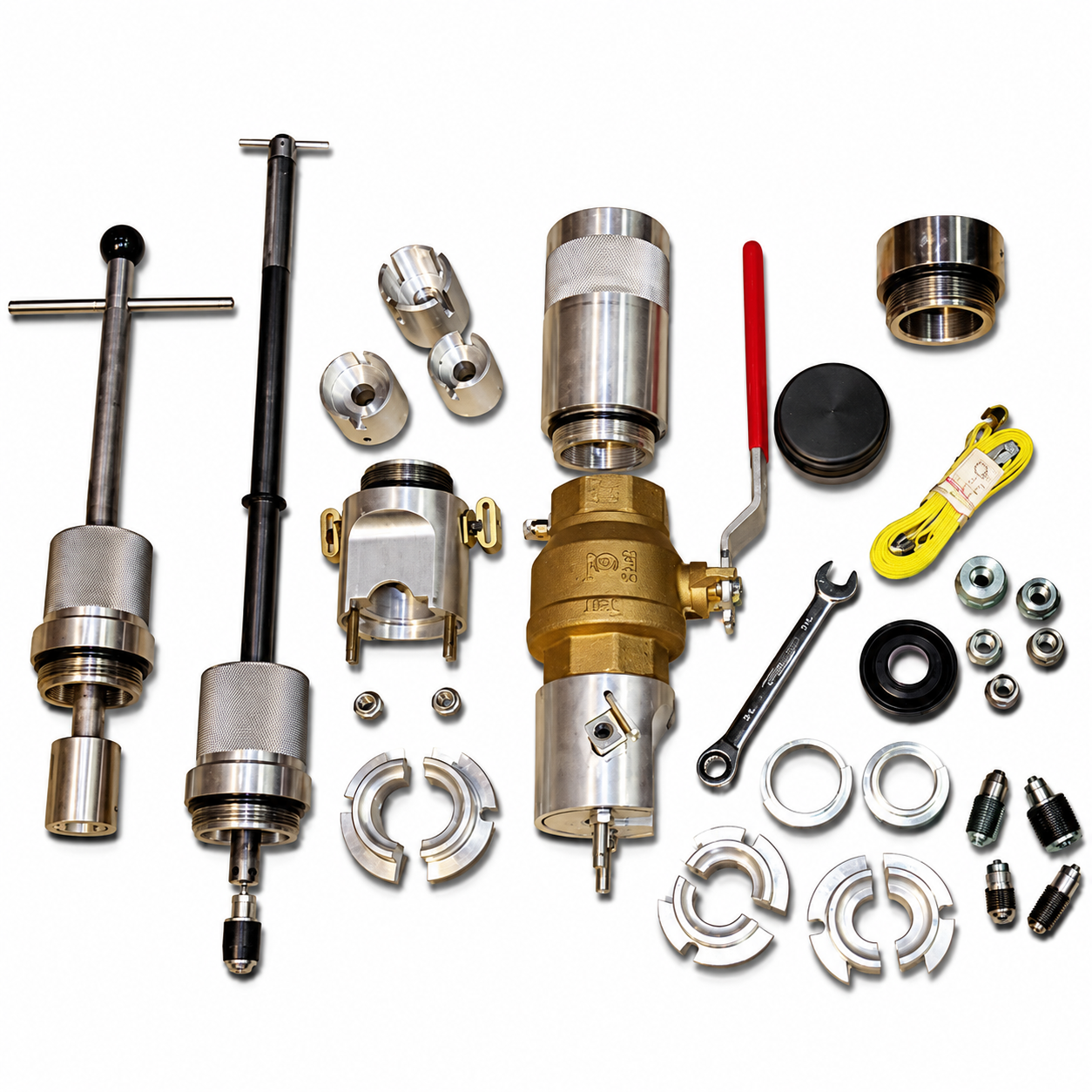
Add Any Tee Adapter Kits or Parts
Pressure Ratings
Contingent on the tee style configuration and abandonment or renewal procedure.
80 PSI – Most common Homemade / Manufactured Tee with a cap or a plug. A detachable rubber stopper or self-tapping plug prevents the gas from escaping. The tee is then cut and capped or removed.
125 PSI—Special Tool Package: A homemade or manufactured Tee with a cap or a plug.
60 PSI – Special Situations: – Street Tees on a Coupling and Bolt-On PE Tees, where the tee is removed and replaced with a plug.
Note: Pressure ratings are typical; please contact Mazco if you are unsure. Do not attempt the Safe T Stopper operation at pressures exceeding the rated limits.